
The Thermodynamic Masterstroke with a Hidden Catch
Gasoline direct injection transformed the modern combustion engine by moving fuel delivery from the intake tract into the cylinder itself. That change allows engineers to control the fuel charge with remarkable precision, cool the compressed mixture, raise compression ratios, support turbocharging, and extract more power from less displacement. The rapid adoption of the technology is therefore no surprise. For a clear technical overview of how gasoline direct injection changes combustion, charge cooling, and efficiency, the underlying thermodynamics are worth studying before diagnosing its drawbacks.
The catch appears on the opposite side of the intake valve. In a traditional port-injected engine, a fine mist of gasoline passes across the back of the valve on its way into the cylinder. That fuel carries detergent additives and provides a limited but useful washing effect. A direct-injected engine sends fuel straight into the combustion chamber, so the intake valve is exposed primarily to air, crankcase vapors, and, on some engines, recirculated exhaust gases. Over time, those vapors bake into hard deposits. The result may begin as a barely noticeable cold-start stumble, then progress to uneven airflow, misfires, poor throttle response, and expensive corrective work.
Comparing Fuel Delivery Architectures Under the Microscope
Port fuel injection places the injector upstream of the intake valve, usually in the intake runner or close to the cylinder head. Fuel is sprayed into the moving air stream, where it must atomize and vaporize before entering the cylinder. This arrangement gives the incoming mixture more time to become homogeneous, and the fuel absorbs heat from the port and intake charge. Most importantly for long-term cleanliness, the fuel passes over the back of the intake valve. It does not remove every contaminant, but detergent chemistry and repeated wetting help limit the accumulation of oily residue.
Direct injection uses a high-pressure fuel pump, a high-pressure rail, and injectors capable of delivering fuel into the combustion chamber during a precisely selected portion of the intake or compression stroke. Because vaporization occurs inside the cylinder, the fuel draws heat directly from the compressed charge. That in-cylinder cooling can suppress knock and detonation, allowing higher compression ratios, more boost, or more aggressive ignition timing. The tradeoff is greater system complexity, injection noise, expensive hardware, and the loss of routine fuel contact with the intake valve.
| Characteristic | Port injection | Direct injection |
|---|---|---|
| Typical injector location | Intake runner, upstream of valve | Combustion chamber |
| Pressure requirement | Low-pressure fuel system | High-pressure pump and rail |
| Charge cooling | Cools the intake tract and incoming air | Cools the in-cylinder charge during vaporization |
| Intake valve exposure | Fuel and detergent contact | No regular fuel washing |
| Primary strength | Simplicity, drivability, valve cleanliness | Power density, efficiency, knock resistance |
Neither architecture is automatically superior in every operating condition. Port injection is forgiving and mechanically straightforward, while direct injection offers finer control when cylinder pressure, boost, and combustion temperature become critical. That is why several manufacturers developed systems that combine both methods. Toyota”s D-4S approach is a prominent example, and other manufacturers have used dual-injection arrangements in naturally aspirated and turbocharged engines. The objective is not simply to add hardware, but to use each injection method where it provides the greatest advantage.
The Chemistry of Choked Ports and Crusty Valve Deposits
Intake valve deposits are often described as “carbon,” but the material is usually a complex mixture rather than pure carbon. The process begins with the positive crankcase ventilation system. PCV systems route blow-by gases, which contain fuel residues, combustion byproducts, and oil mist, back into the intake so they can be burned instead of vented to the atmosphere. That is an important emissions function, but it also introduces a contaminant stream into the intake tract.
Some engines also use exhaust gas recirculation or internal exhaust-gas recirculation strategies to reduce nitrogen oxide emissions. Soot and ash in those gases can combine with oil vapors from the PCV circuit. The mixture settles on the relatively hot back of the intake valve, where airflow patterns and valve motion can spread it unevenly. In a port-injected engine, gasoline and its additive package provide periodic solvent action. In a direct-injected engine, that cleaning cycle is absent.
Valve temperature, operating pattern, and lubricant condition all influence the speed of deposit formation. Temperatures in the approximate range of 200°C to 400°C can promote oxidation, polymerization, and hardening of oily vapors. Short trips, extended idling, poor crankcase separation, worn valve guides, and excessive oil consumption may accelerate the process. Technical fuel-chemistry research on intake valve deposit formation documents why fuel detergents and deposit-control chemistry matter so much in keeping intake paths functional.
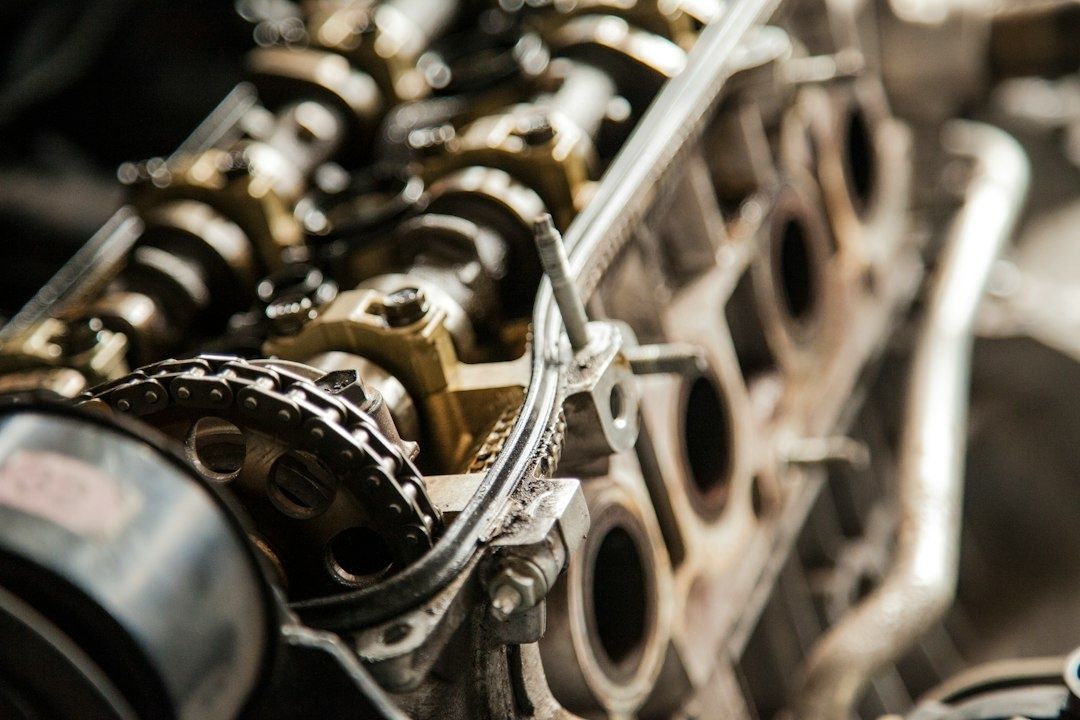
- PCV oil mist: A normal emissions stream can become a major deposit source when oil separation is weak or engine blow-by is high.
- EGR-related soot: Recirculated exhaust particles can provide a rough surface that traps additional oil and residue.
- Heat cycling: Repeated cold-to-hot operation hardens soft film into a dense, irregular crust.
- Airflow restriction: Deposits disturb the intended runner shape and reduce the effective flow area behind the valve.
Diagnosing and Clearing the Choke Points in the Workshop
The first diagnostic mistake is blaming intake valve deposits for every drivability complaint. Ignition coils, spark plugs, vacuum leaks, injector faults, variable valve timing problems, and low compression can create similar symptoms. Start with the basics: scan for stored and pending fault codes, examine misfire counters by cylinder, review short- and long-term fuel trims, and check whether the problem is limited to cold starts, hot restarts, idle, or high load.
A borescope is often the most efficient next step. With the appropriate access point, a technician can inspect the back of the valve through the intake runner, throttle body opening, or sensor ports once the intake tract is opened, although the view may be limited by runner dividers and valve position. While a borescope passed through a spark plug hole can inspect the combustion chamber and valve faces, evaluating intake valve deposits requires viewing the intake port side where the crust actually forms. A camera image showing thick, uneven deposits on the valve tulip and stem is far more reliable than a general assumption based only on mileage. Before removing the intake manifold, confirm that the inspection can actually identify the suspected restriction and that the engine is positioned safely for the procedure.
- Verify the complaint: Record operating conditions, scan misfire data, and compare affected cylinders rather than replacing parts at random.
- Inspect the intake system: Check the PCV hoses, breather plumbing, throttle body, manifold sealing surfaces, and available borescope views.
- Assess deposit severity: Light staining may not explain a major fault, while thick buildup that narrows the valve perimeter deserves corrective action.
- Choose the cleaning method: Match the method to the engine design, access, deposit hardness, and risk of debris entering the cylinder.
For substantial buildup, walnut shell blasting is widely regarded as the workshop standard because crushed walnut media can remove hard deposits without aggressively damaging aluminum ports when used correctly. The intake manifold is removed, each cylinder is positioned with its intake valves closed, and the media is vacuumed away throughout the process. Liquid chemical cleaners can help with light contamination or maintenance, but they may soften deposits without fully removing thick crust, and loose material must not be allowed to enter the combustion chamber or damage a turbocharger.
How Modern Dual Injection Solves the Dilemma Permanently
A dual-injection engine carries both low-pressure port injectors and high-pressure direct injectors. The port injectors preserve the traditional route through the intake runners, while the direct injectors provide the in-cylinder charge cooling and precise combustion control associated with GDI. This arrangement adds cost, wiring, calibration work, and packaging demands, but it gives the engine control unit a much wider operating range.
Calibration strategy varies by manufacturer and engine family. Some systems use port injection during idle, cold operation, and light cruising, when valve washing and smooth mixture preparation are valuable. Others blend both injectors through much of the low- and medium-load range. At high load and high rpm, direct injection can take a larger role because in-cylinder vaporization cools the charge and helps resist knock. Certain strategies retain a small port-injected contribution even when direct injection dominates, balancing cleanliness, particulate control, and fuel-system capacity.
- Cold starts: Port injection can support stable vaporization and reduce roughness while the engine and catalyst warm up.
- Light cruising: Port fuel can provide regular detergent contact with the intake valve and improve economy in low-load conditions.
- High load: Direct injection supplies charge cooling and accurate fuel delivery when cylinder pressures are high.
- Rapid transients: Blending both systems gives the ECU additional flexibility during throttle changes and boost buildup.
The important point is that dual injection does not merely double the number of injectors. It makes fuel delivery a controllable thermodynamic tool. The ECU can choose where vaporization should occur, how much cooling the charge needs, and when valve cleanliness is more valuable than maximum direct-injection contribution. It cannot eliminate every source of deposits, especially excessive oil consumption or a malfunctioning PCV system, but it removes the fundamental weakness of relying exclusively on direct injection.
Keep Your High-Pressure Engine Breathing Clean
Dual-injection technology represents one of the most complete solutions developed for the modern gasoline engine. Direct injection delivers power density, knock resistance, and efficiency; port injection contributes mixture preparation, drivability, and a useful detergent-washing effect. Combining the two lets engineers manage emissions, performance, durability, and valve cleanliness instead of accepting one unavoidable compromise.
Owners of a dedicated direct-injection engine need a more deliberate maintenance strategy. Use the oil grade and specification approved for the engine, choose a quality synthetic lubricant, keep oil changes on a sensible schedule, and investigate oil consumption rather than treating it as normal wear. A properly designed, high-efficiency oil catch can may reduce the amount of liquid oil entering the intake, but it must be installed legally and serviced regularly. It is not a substitute for a functioning PCV system, and an incorrectly routed catch can can create vacuum leaks or emissions problems.
- Monitor cold-start quality, idle stability, throttle response, and cylinder-specific misfire data.
- Inspect PCV hoses, separators, and breather connections whenever intake contamination is suspected.
- Use a borescope through the intake runners before authorizing manifold removal and walnut blasting.
- Follow the manufacturer”s fuel, oil, and service specifications rather than relying on generic additives.
- Schedule proactive diagnostics before a track-day engine develops a load-related misfire or loses airflow at high rpm.
Direct injection is not a flawed technology; it is a highly effective technology with a predictable maintenance consequence. Understand where the fuel travels, identify the contaminant sources, and verify symptoms before replacing parts. With disciplined diagnostics, sensible oil control, and timely valve inspection, a high-pressure engine can deliver the sharp response and efficiency it was designed to provide while continuing to breathe cleanly under the hood and on the road.

